Free, Not Free
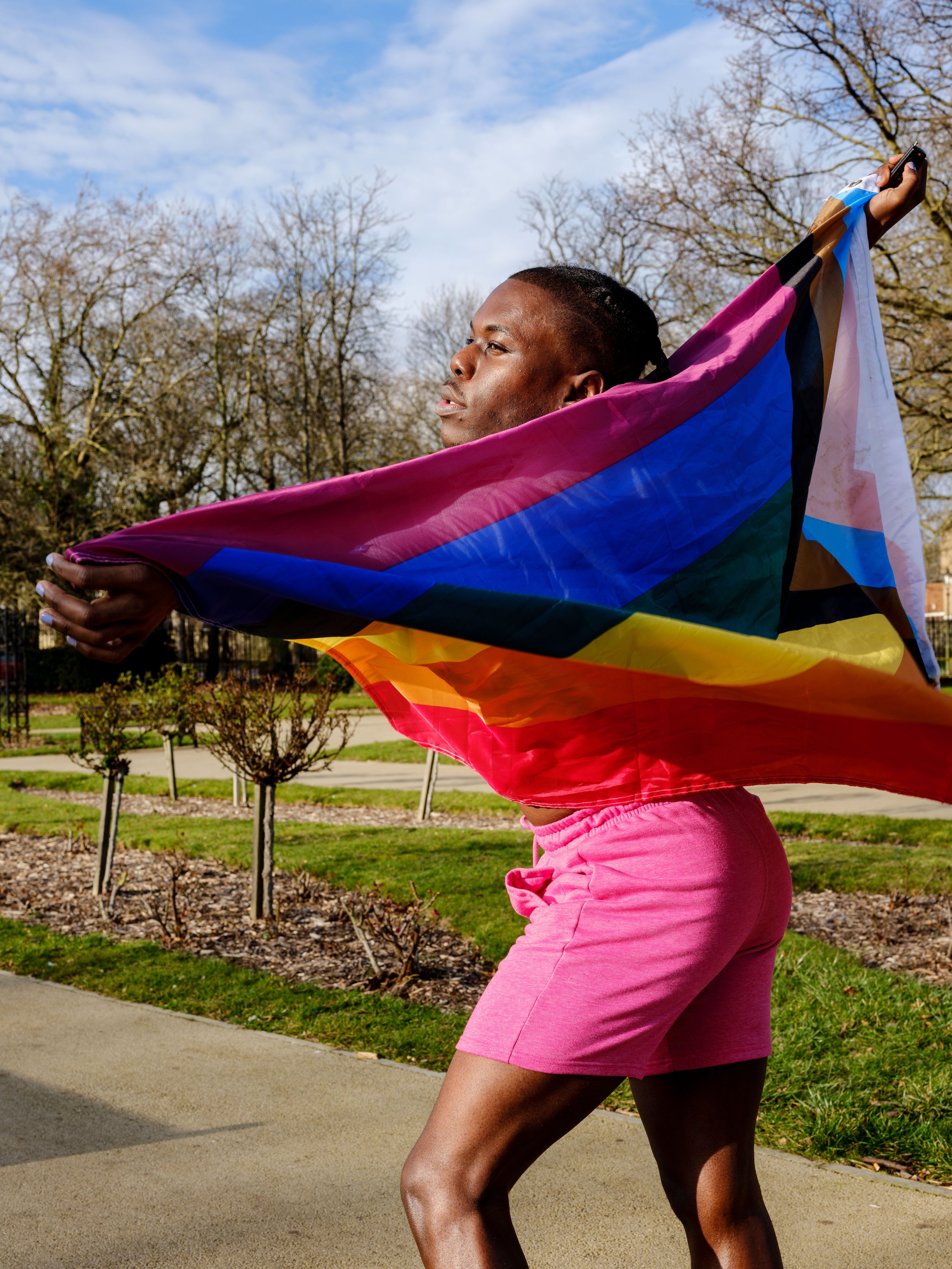
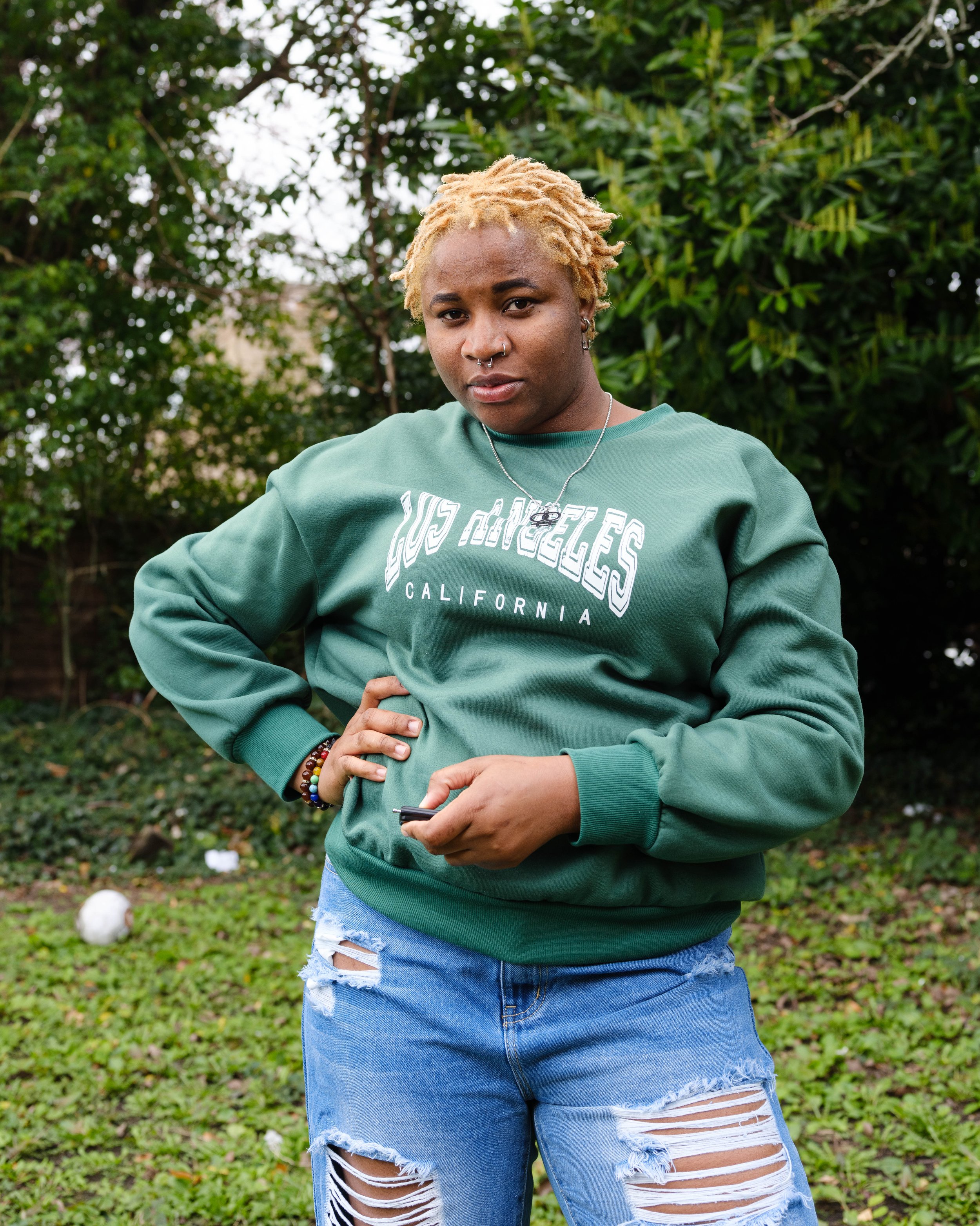
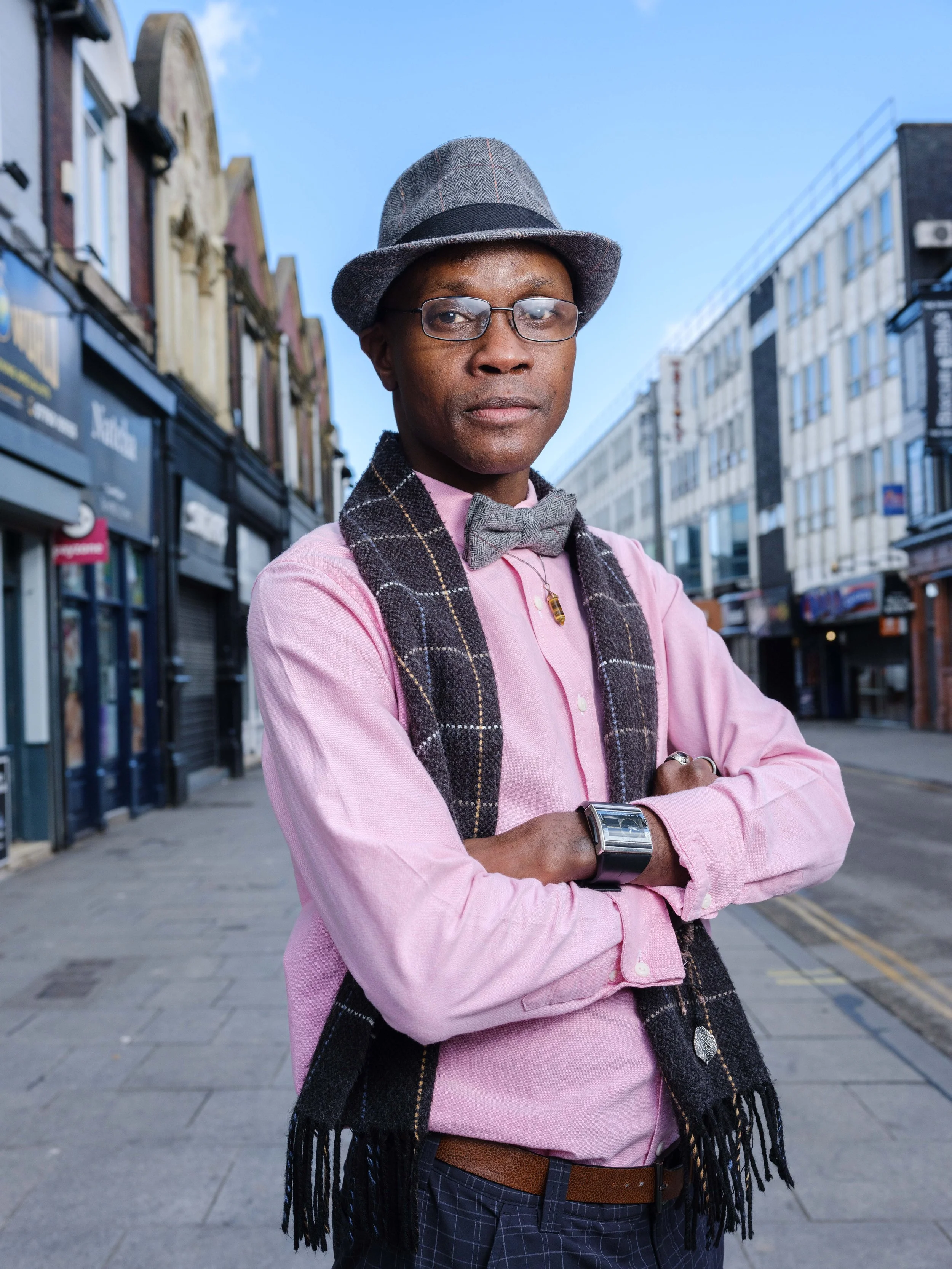
This series of portraits and accompanying verbatim reflections has been co-created with LGBTQIA+ asylum seekers living in South Yorkshire.
The intention in this work is to consider representation and identity within the LGBTQIA+ asylum seeking community, and to explore how to open up channels for self representation that create opportunities to reclaim the tools and the means, such that people’s own voices can be heard above the chatter of the increasingly hostile mainstream.
Mainstream media portrayals of refugees and asylum seekers are often reductive and lacking in depth, and focus on the legality and method of arrival and a hostile, meritocratic interpretation of human rights, with scant attention paid to the lived experience of people fleeing persecution, both before they arrive and once in the UK.
Successive UK governments have chosen to use the ‘refugee issue’ as a means of distracting the general public from the collapse of the welfare state and the social contract, the increasingly impoverished lives many of us are leading, and the vast inequalities that define UK society in the 21st century.
As the rich get richer and more and more children and families fall into poverty, the government obsesses over ‘taking back control’, the Rwanda policy, small boats and the technicalities of how to force the breaking of legally binding UN conventions through the courts.
This work was made as The Nationality and Borders Act (2022) became law. Clause 31 of the Act raises the ‘standard of proof’ required to demonstrate a characteristic that risks persecution in a country of origin, yet how do you prove your sexuality or gender orientation, especially if you’ve spent a lifetime concealing your true self?
The risks and dangers associated with poor Home Office decision making are only heightened by this clumsy and hostile piece of legislation.
What is missing in all this is the voice of those at the sharp end. There is scant opportunity for asylum seeking people to contribute to these debates or even to utter a word on their experience, and this project seeks to offer a small step towards opening up space for those most affected.
Yet despite the context this is not a project about debating the complexities of UK politics as it pertains to migration, rather it is about reclaiming a degree of agency when it comes to defining how people are seen and their position within a social space.
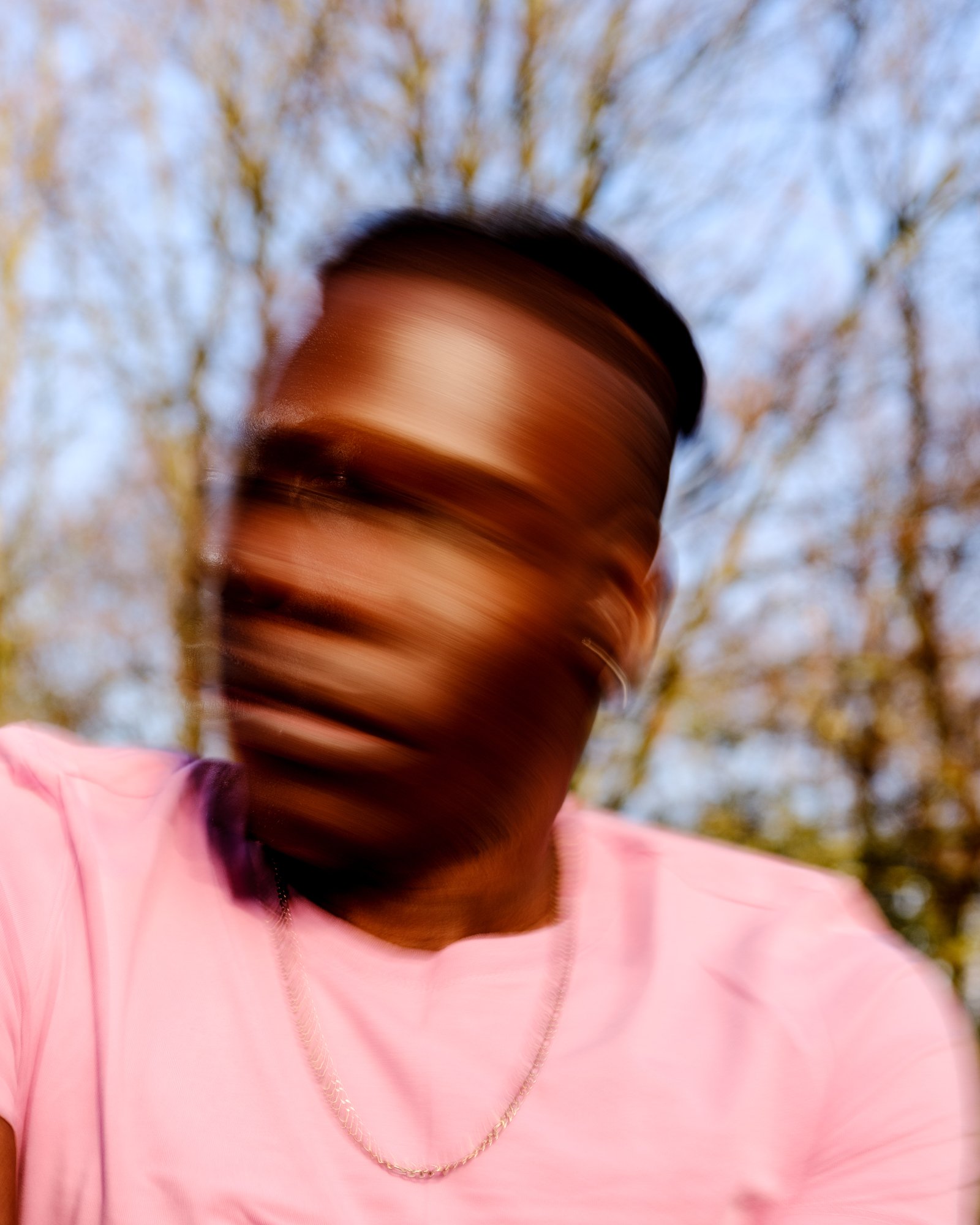
Many, but not all the photographs were made using a medium format digital camera on a tripod, with a remote shutter and an off camera flash. Sometimes neutral density filters and slow shutter speeds were employed, especially when photographing with people who needed to obscure their identities, but also as a way of exploring issues around partial status, forced migration and the feeling of life on hold as time slips by.
We explored together, shared ideas, listened to each other and tried to create something that wasn’t there before.